The Hyundai brand is always striving towards a brighter future, which is precisely why they’ve placed such an emphasis on developing impressive Hyundai electrified vehicles in recent years. In fact, the Hyundai Motor Company unveiled a bold “2030 Vision” roadmap, which includes a goal of expanding its hybrid lineup to more than 18 models by 2030.1 Learn more about all the Hyundai hybrid, plug-in-hybrid, and electric vehicles we have to offer in this guide from the team at Jim Ellis Hyundai Atlanta. We’ll even talk about fuel cell models!
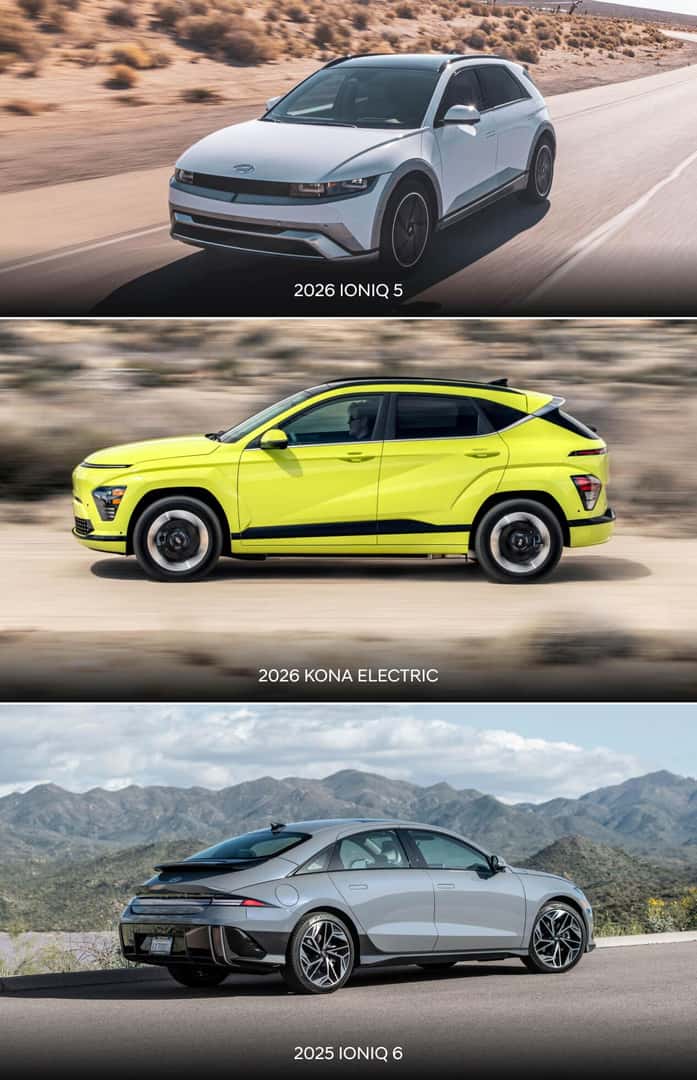
Instead of an engine, an electric vehicle is motivated by electric motors, which draw on energy from batteries. These vehicles come with a significantly longer electric-only range than plug-in hybrids. Take the all-electric, five-seat Hyundai IONIQ 5 and its five trim levels as an example. The entry-level SE Standard Range model has a 245-mile range,2 while a RWD Limited edition allows you to travel up to 318 miles2 on a full battery. How about another example? The Hyundai IONIQ 6 is a sedan that can achieve up to 342 miles2 on a single charge via its available Long Range battery.
As you’ll see in the next section, PHEV models, such as the Hyundai Tucson Plug-In Hybrid, have a much lower electric-only range, but that’s because they rely on a combination of modern electrification and traditional fuel to power them.
EVs also provide drivers with near-instant acceleration and dynamic handling on the road. They must be charged externally by plugging into a Level 1, Level 2, or Level 3 (DC) charging station. Level 1 charging can usually be achieved with your typical household garage outlets. Level 2 chargers can often be installed at homes to significantly reduce the amount of time it takes to juice back up. Finally, Level 3 charging is usually reserved for public stations and is the quickest way to recharge your automobile and get back on the road. The IONIQ 5 is particularly quick to charge, with a DC fast-charging time of 20 minutes (from 10% to 80%).3
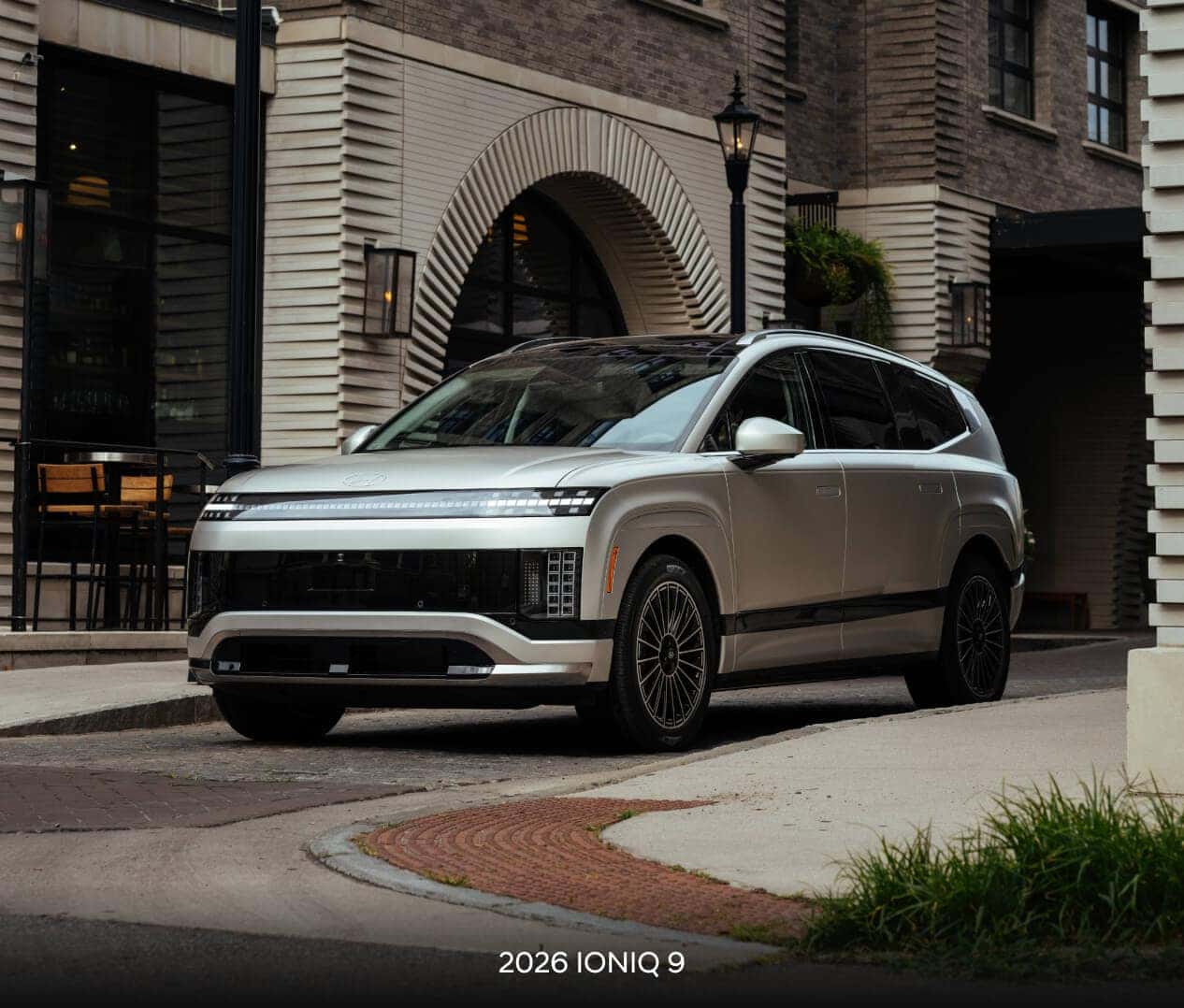
The Hyundai EV lineup offers the following options:
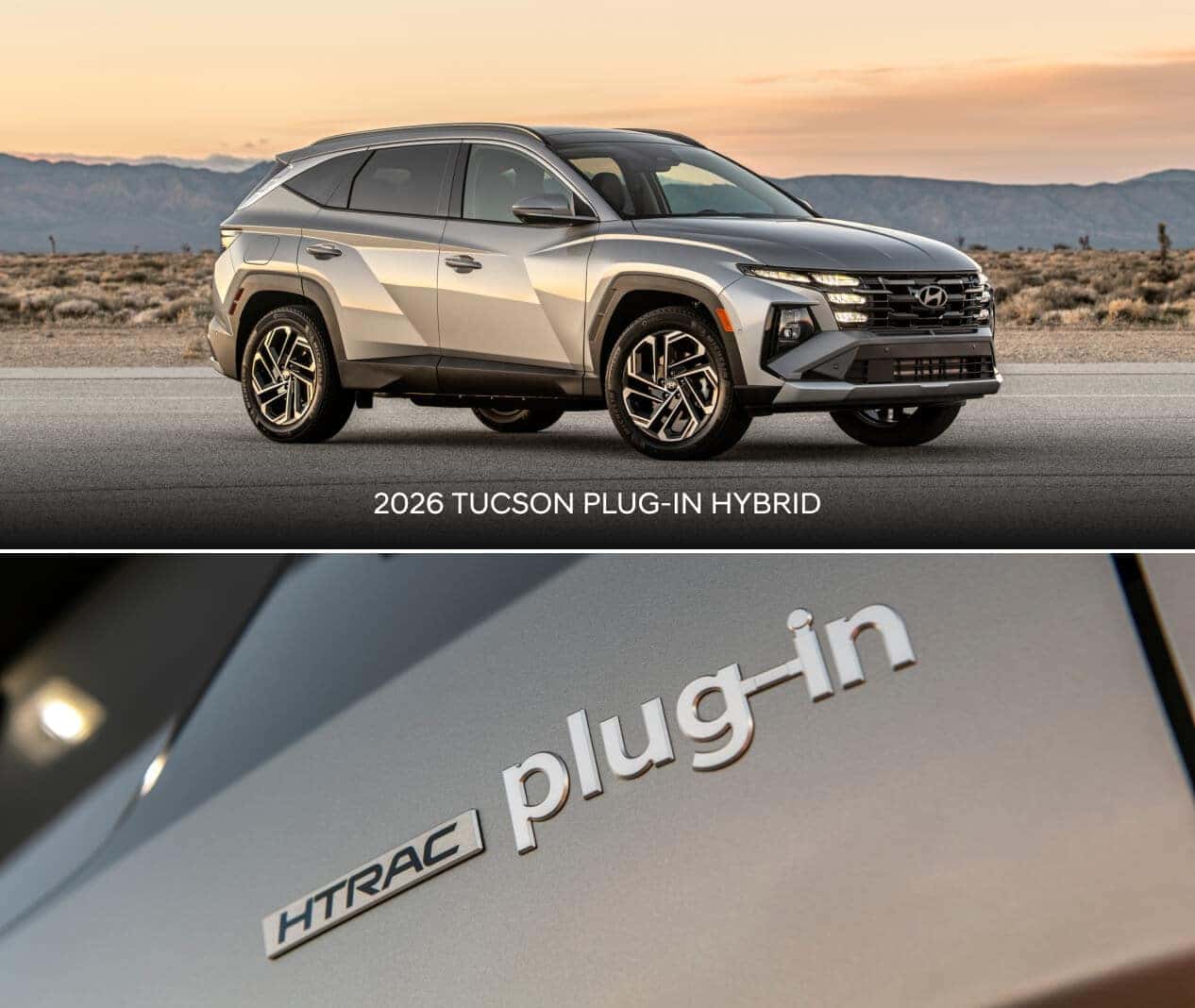
A plug-in hybrid, or PHEV, relies on a gas engine combined with a battery-powered motor (or two) to give you boosted fuel economy, although you’ll still need to stop by the pump occasionally. Their limited all-electric range distinguishes them from other hybrids, allowing you to perform nearby chores or travel a short commute without using gas. The Hyundai Tucson Plug-In Hybrid is currently the only Hyundai PHEV available in the U.S. It has an all-electric range of 32 miles2 and an overall EPA-estimated 77 MPGe (Combined).4 We expect to see more Hyundai hybrid plug-in vehicles in the near future, with a variety of Hyundai PHEV range specs.
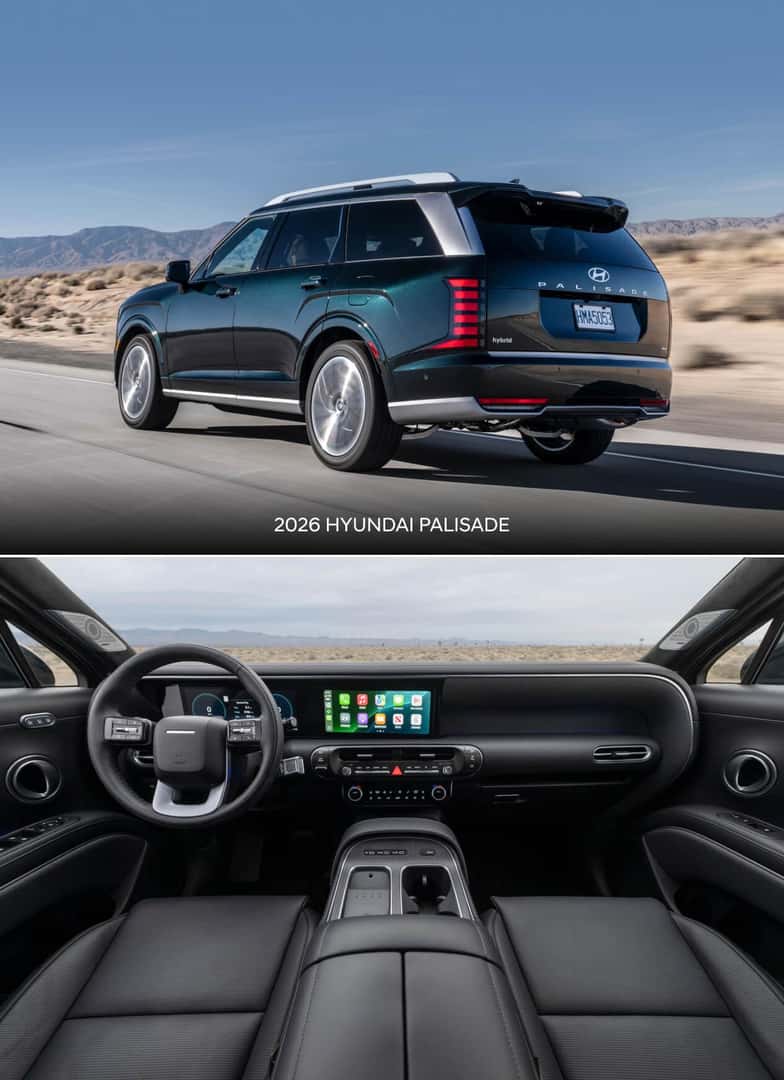
Hybrids primarily utilize gas engines, and their electric battery supplements are recharged using regenerative braking technology. In basic terms, these types of hybrid vehicles don’t require plugging in to charge or any extra mental or physical effort on your part. Instead, they use regenerative braking to recharge the battery – as you apply pressure to the brakes and slow down, kinetic energy is captured and converted into electrical energy, which is then stored in the battery, effectively adding to its charge.
Hybrid vehicles don’t have an all-electric range, but they’re generally more fuel-efficient than their gas-only counterparts. For some, one of the highlights of a hybrid might be that you don’t need to plug it in. You can treat it as you would a gas-powered vehicle, filling up your tank as it gets low, while still reaping the improved fuel economy benefits. The Hyundai Tucson comes in a mild-hybrid version as well as its PHEV variant that we discussed above.
Here are the current Hyundai hybrid vehicles:
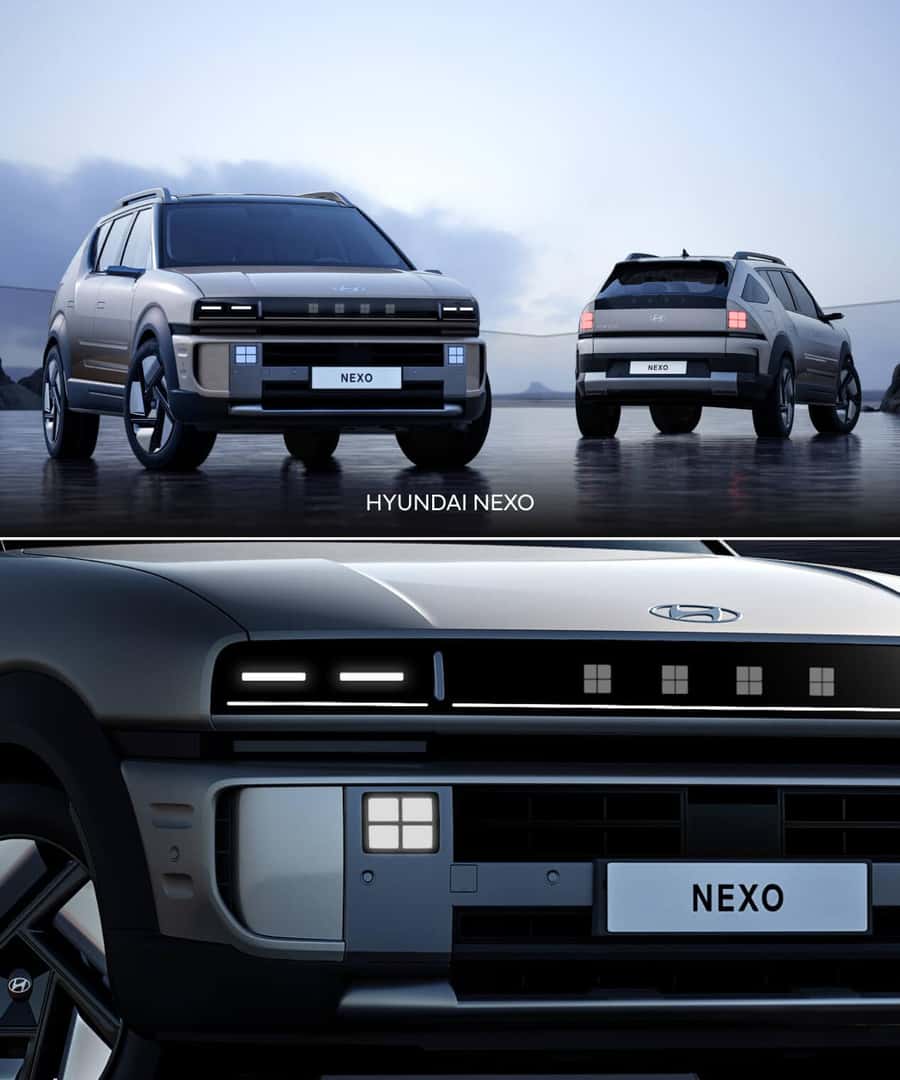
Fuel cell EVs recharge their batteries by utilizing a fuel cell stack that transforms liquid hydrogen into electricity. Instead of filling up a gas tank or charging your car, you refuel by topping up the hydrogen tank, which takes only a few minutes. Fuel cell systems essentially combine the best parts of gas, hybrid, PHEV, and EVs into one. As mentioned, you only need a few minutes to refuel, you won’t be burning fossil fuels, and you get range distances that rival EVs.
For instance, the new Hyundai NEXO Fuel Cell SUV is expected to surpass many Hyundai EVs in terms of range. While the model hasn’t been released and doesn’t have official EPA estimates at the time of this writing (November 2026), it has been tested under the Worldwide Harmonized Light Vehicle Test Procedure (WLTP) – when you convert that range rating from kilometers to miles, you end up with around 513 miles of all-electric range.2
Currently, the majority of hydrogen fueling stations in the U.S. are located in California.
Greener vehicles are not only better for the planet, but they also help you save green, too, since you’ll no longer have to worry about filling up the gas tank as often – or at all, in the case of a fully electric model. Utilizing electricity to charge your vehicle instead is often significantly less expensive. Plus, you can charge at home overnight, so you’re vehicle’s juiced up and ready to go in the morning when you are.
If that’s not enough incentive, Hyundai electric vehicles don’t require services like oil changes, saving you time and money on auto maintenance. Some areas even allow solo drivers in EVs to utilize the carpool lane.
Plug-in hybrids and hybrids still require gas and oil changes, but they can give you impressive fuel economy ratings that can stop you from battling traffic to get to the gas station and then to work on time.
If you need a new ride, why not prioritize a vehicle that will save you time and money at the gas pump? Whether you’re after a hybrid or electrified Hyundai SUV, crossover, or sedan, we’d love to get you behind the wheel of a model in Atlanta. Stop by for a test drive or to ask any questions you might have about charging or maintenance.
A plug-in hybrid vehicle relies on a gas engine and motor-and-battery architecture to propel drivers forward. While these vehicles offer a limited all-electric range that allows owners to complete short trips without gas, longer journeys require the use of both, though you will have impressive fuel economy. Electric vehicles have motors but no engine and a larger battery. Their electric range stretches for hundreds of miles.
Hybrid vehicles utilize regenerative braking technology to gently boost the fuel economy of a gas-powered vehicle. Plug-in hybrids have larger batteries that will need to be charged by plugging your car into an outlet. However, their MPGe rating is usually far superior to that of a normal hybrid, and they have a limited all-electric range, empowering drivers to go on short trips without relying on gas.
There are multiple Hyundai electrified vehicles, ranging from hybrids and PHEVs to full electric models. Here is the current 2025 and 2026 lineup in order of MSRP:
Check out the all-electric vs. hybrid Hyundai ranges for yourself below.
Hyundai EV maximum range estimates:
Hyundai hybrid maximum range estimates:
1For more information, visit https://www.hyundainews.com/en-us/releases/4554
2All figures are EPA estimates and based on a fully charged battery. For comparison purposes only. Battery capacity decreases with time and use. Actual range will vary based on a number of factors, including vehicle options, driving conditions and habits, vehicle and battery’s condition, battery temperature and outside temperature.
3Actual charging time varies based on a number of factors, including current battery charge level, output of the charging unit, vehicle and battery settings, battery temperature and outside temperature. Ultra-fast charging stations are provided by independent companies and availability is not guaranteed.
4This is an electric vehicle. Since electricity is not measured in gallons, a conversion factor is used to translate the fuel economy into miles per gallon of gasoline equivalent (MPGe). EPA-estimated 77 combined MPGe. Use for comparison purposes only. Your MPGe will vary for many reasons, including but not limited to, driving conditions, how and where you drive, how you maintain your vehicle battery-package/condition, and other factors. For more information, including information on MPGe, see www.fueleconomy.gov.
5EPA estimate. For more information, please visit the official U.S. government source for all fuel economy at www.fueleconomy.gov