

Low Engine Oil Symptoms: 10 Signs Your Engine Needs An Oil Change

Signs That You Need an Oil Change
- Oil Dashboard Light: Most modern vehicles have a built-in reminder for oil change intervals.
- Other Warning Lights: Warnings like the check engine light may be tied to an oil issue.
- Unusual Engine Noises: Knocking, ticking, and grinding sounds can indicate friction between engine parts and an urgent need for an oil change.
- Overheating Engine: Healthy oil helps reduce heat buildup – frequent overheating may signal the need for an oil change.
- Dark, Dirty Oil: Fresh oil is amber-colored or light brown. Dark, sludgy oil needs to be changed
- Exhaust Smoke: Blue or gray smoke could mean burning oil due to leaks or excessive consumption.
- Oil Smell Inside the Car: A burning oil scent inside your vehicle could suggest a leak dripping onto hot engine parts.
- Reduced Fuel Efficiency: Getting fewer MPGs can be an indication that you need oil service.
- Low Oil Level: Your dipstick will show whether you have proper oil levels or if you’re running low.
- Decreased Performance: If your car has difficulty getting up to or maintaining speed, you may need an oil change.
Your engine needs healthy oil to run properly, so recognizing low engine oil symptoms is crucial for any driver. Learn about the signs that you need an oil change and the automotive risks of delaying service with this guide from Jim Ellis Hyundai.
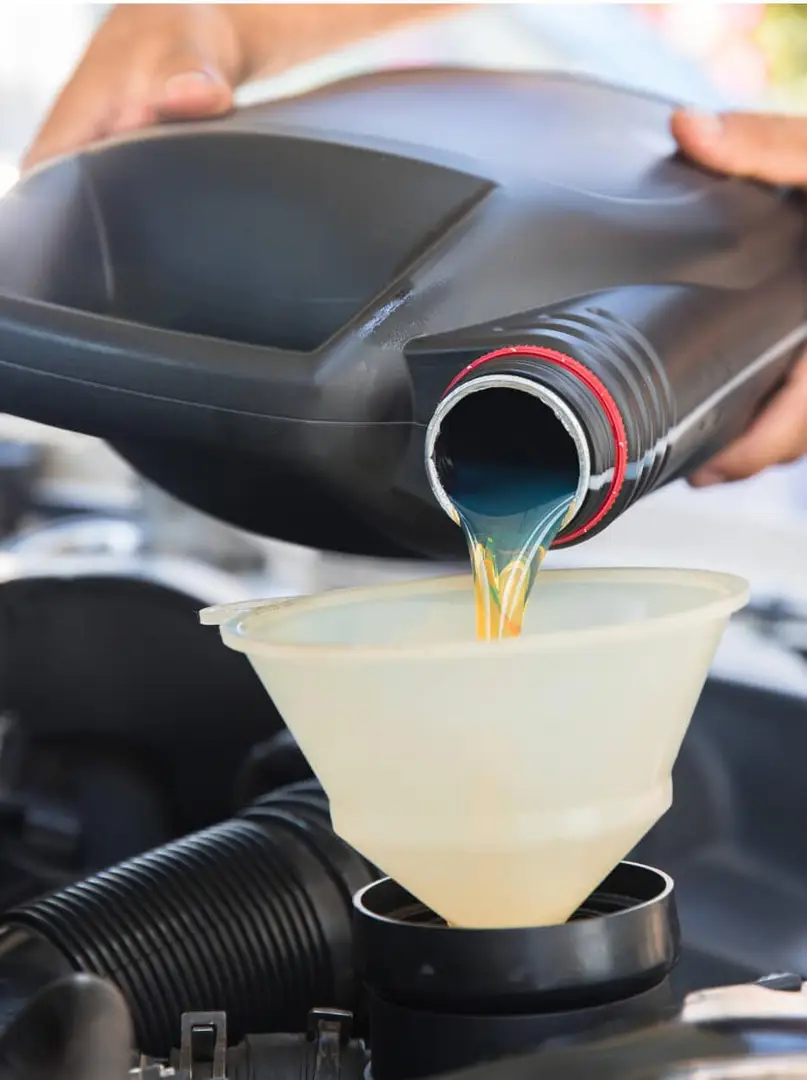
What Is Engine Oil and Why Is It Important?
Engine oil is vital to your car’s performance: It lubricates, cools, and protects vital parts of your powertrain. There are three types of oil:
- Conventional oil
- Synthetic oil
- Synthetic blend
Along with the types, there are various levels of viscosity, or oil thickness, which affects flow at different temperatures.
When Should You Change Your Oil?
Your oil change interval depends on several factors, such as the type of oil and engine. Always refer to your owner’s manual for specific recommendations or schedule service to let our technicians determine your oil schedule.
Common Oil Mistakes and Their Impact
- Driving With Low Oil: Insufficient oil can increase wear and lead to overheating or even engine failure.
- Using the Wrong Oil Type: The wrong oil can cause your engine to function improperly or sustain damage.
- Skipping Oil Changes: Old oil can cause friction and sludge buildup, which can severely damage the engine.

Choosing the Right Oil for Your Vehicle
Whether your vehicle is experiencing low engine oil symptoms or you’re simply due for a routine oil change, it helps to be aware of the products available to you. The three types of engine oil available are conventional, synthetic, and synthetic blend.
Conventional: Conventional oil is usually the most affordable. However, it doesn’t last as long as the other two options, necessitating more regular oil changes.
Synthetic: Synthetic oil is engineered for optimized performance as well as driving in extreme temperatures. It’s also increasingly common in modern vehicles, and your vehicle might require it. It’s more expensive but typically needs fewer oil changes.
Synthetic Blend: There’s a middle ground between conventional and synthetic oil known as synthetic blend, which mixes the two together.
Which oil is right for your car? If your powertrain’s turbocharged or supercharged, a synthetic or synthetic blend’s the better choice. Conventional oil is sufficient if your driving habits and conditions are typical. However, be sure to check your vehicle’s manual to find the recommended type.
Schedule Your Oil Change Today
If you’ve recognized these symptoms of low oil in your car, visit our service center at Jim Ellis Hyundai for a professional inspection.
Frequently Asked Questions
Can low engine oil cause overheating?
Yes, low engine oil can cause overheating. Engine oil lubricates moving parts, reducing friction and heat buildup. When oil levels are too low, components generate excessive heat, increasing the risk of overheating and potential engine damage. Check your oil level immediately if your indicator light goes on or you notice a burning smell. Visit Jim Ellis Hyundai for quick, headache-free service.
What oil does my car need?
The right oil for your car depends on your vehicle’s make, model, and engine type. Check your owner’s manual for the recommended oil viscosity and specifications, such as synthetic or conventional oil. Using the correct oil helps maintain engine performance, fuel efficiency, and longevity. If you’re unsure, one of our professional technicians can help you find the best oil option.
How do I know if my oil is low?
You can check if your oil is low by using the dipstick under your hood. Remove it, wipe it clean, reinsert it, and check the oil level against the markers. Other signs of low oil include engine warning lights, knocking noises, reduced performance, or overheating. If you notice these symptoms, check your oil immediately and top it off, or schedule an oil change.
What happens when engine oil is low?
As we mentioned, low engine oil symptoms include dashboard warnings, overheating, strange noises emanating from beneath the hood, and decreased performance and efficiency. If you notice any of these signs of low oil in car, SUV, or truck models, don’t hesitate – a quick oil change at a certified shop like Jim Ellis Hyundai is significantly more affordable than an engine repair or total replacement, after all.
More Service
0 comment(s) so far on Low Engine Oil Symptoms: 10 Signs Your Engine Needs An Oil Change